Water Damage Restoration Cost in Houston: What to Expect
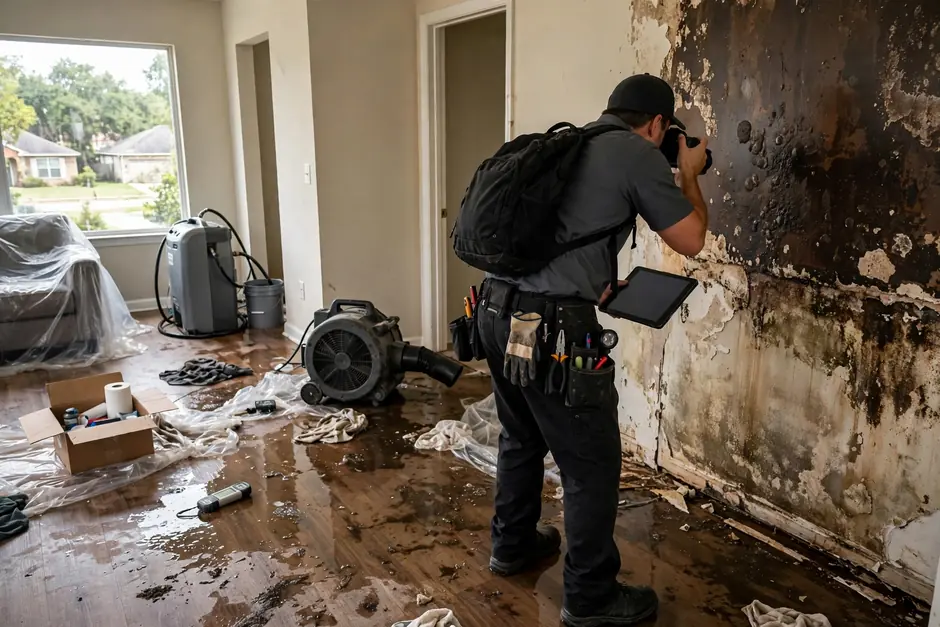
This is the most-asked question in water damage restoration, and it is the one no honest company answers with a single number. Every loss is different, and the cost follows the loss. What this guide gives you is the complete list of factors that decide the cost, so you can read a written quote and understand what you are paying for.
This is the most-asked question in water damage restoration, and it is the one no honest company answers with a single number. Every loss is different, and the cost follows the loss. What this guide gives you is the complete list of factors that decide the cost, so you can read a written quote and understand what you are paying for.
The water category sets the job
Water damage is sorted into three categories, and the category sets the whole job. Category 1 is clean water from a supply line: the simplest to deal with. Category 2 is gray water from a washing machine or dishwasher: it needs more cleaning and more material removed. Category 3 is black water: sewage or floodwater from outside, heavily contaminated, and the most involved to handle safely.
The category decides what protective gear the crew needs, what can be cleaned, and what must be removed and disposed of. A Category 3 loss is a different job from a Category 1 loss of the same size, and any quote that treats them the same is a quote to question. Our flood damage cleanup in Houston work is Category 3 by definition, and it is scoped that way from the first visit.
The class and the area decide the scale
Damage is also classed by extent and absorption. A small area of water on tile is a different job from water that has soaked into hardwood, concrete, plaster, or masonry. Deeply saturated materials need specialty drying, and they take longer to dry than drywall or carpet. The industry calls that Class 4 specialty drying, and it is the class that matters most for Houston's slab and masonry construction, where water sits in concrete and brick far longer than in drywall.
Area matters in the plainest way: more square feet means more extraction, more drying equipment, more material to remove or clean, and more monitoring. A quote should name the affected area and the materials involved, so you can see how the scale of the loss became the scale of the job.
Materials decide what is removed and what is rebuilt
What the water touched decides the cost as much as how much water there was. Drywall that has been wet can often be cut and replaced in sections. Insulation that has soaked up water is usually removed. Carpet pad is often replaced. Hardwood that has buckled may need specialty drying or replacement. Each material has its own handling, and the rebuild after drying is a separate cost from the mitigation itself.
Mitigation is stopping further damage: extraction, drying, and removal of damaged material. Repair is rebuilding to pre-damage condition. A clear quote separates the two, so you can see what each part costs. In Downtown Houston, where much of the residential base is high-density attached housing, the materials and the access can both differ from a single-family home, and the quote should reflect that.
Drying is a factor, not a fixed number of days
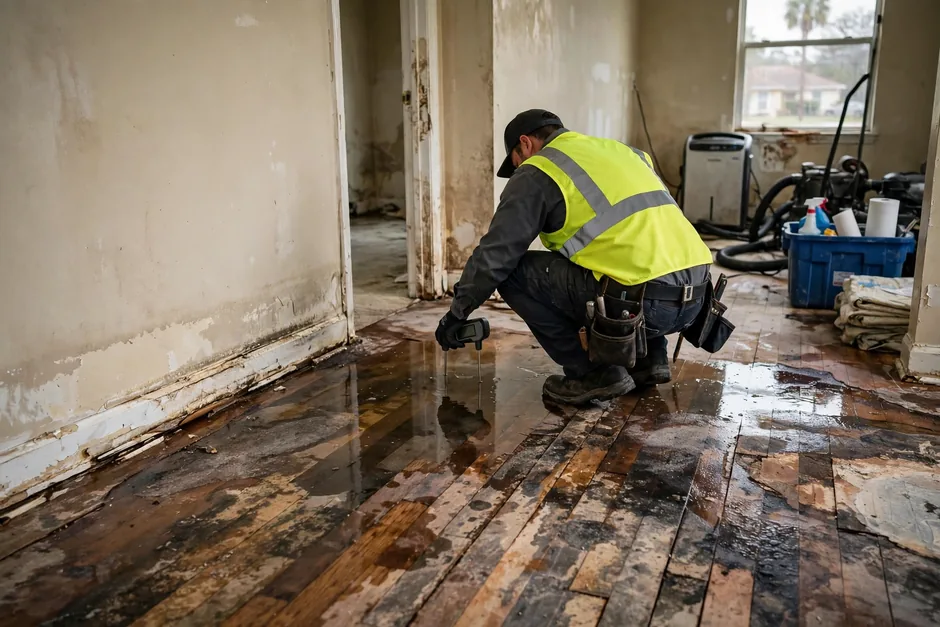
Drying time depends on the category, the class, the materials, and Houston's humidity. A small clean-water loss on tile dries faster than a large loss that has soaked into concrete and hardwood. No honest quote promises a drying time in advance, because the drying time is decided by moisture readings taken during the job, not by a calendar.
Structural drying and dehumidification in Houston is priced by the scope of the drying: the equipment, the monitoring visits, and the time the materials need to reach dry readings. A quote that promises a fixed drying time is promising something it cannot know yet.
The insurance record is part of the cost picture
Documentation is not an extra. It is part of the job, and it is what makes an insurance claim possible. Photographs before anything is moved, moisture readings, an inventory of damaged items, and a written scope are the records an adjuster works from. Our water damage insurance claim assistance in Houston guidance is simple: document first, clean second, and keep every receipt.
As general information, a standard homeowners policy generally covers sudden and accidental water damage, generally excludes flood, and generally excludes gradual damage. Flood insurance is a separate policy. No restoration company can promise what a policy will pay, and any company that does is overstepping. What a good company can do is document the loss thoroughly and communicate with the adjuster about scope.
How to read a restoration quote
Ask for the quote in writing before work starts. It should name the water category, the affected area and materials, the extraction and drying plan, what will be removed and what will be cleaned, and how drying will be verified. It should separate mitigation from repair. And it should say nothing about a price that is not in the written quote itself.
If a quote cannot explain why the job costs what it does, it is not a quote you can compare with anything. The clearest sign of a fair price is a clear scope. Our water damage restoration in Houston team puts the scope in writing first, because that is the only way you can tell what you are actually paying for.
Frequently Asked Questions
How much does water damage restoration cost in Houston?
There is no single price. The cost depends on the water category, the class and area of damage, the materials involved, the drying scope, and whether repair follows mitigation. Ask for a written quote that names each factor so you can compare like with like.
What factors affect water damage restoration cost the most?
The water category, the area and materials affected, whether the water soaked into concrete, hardwood, or masonry, and the drying scope. Category 3 losses and deeply saturated materials cost more to handle safely than small clean-water losses.
Does insurance cover water damage restoration in Houston?
As general information, a standard homeowners policy generally covers sudden and accidental water damage, generally excludes flood, and generally excludes gradual damage. Flood insurance is a separate policy. Check your own policy and keep full records of the loss.
What is the difference between mitigation and repair?
Mitigation stops further damage: extraction, drying, and removal of damaged material. Repair rebuilds to pre-damage condition. A clear quote separates the two so you can see what each part costs.
Why will no company give me a price over the phone?
Because the price follows the loss, and the loss cannot be scoped without seeing it. The category, the area, the materials, and the hidden water all change the job. A company that quotes a number without seeing the damage is guessing, and the guess is usually wrong.
Water damage in your Houston home
Get a clear written scope before any work starts. Call Restoration Enterprise at (346) 980-0009 and we will explain what the job involves, what each part costs, and how it is verified when it is done.
Sources
Sources for the rules and figures cited in this guide.
- ANSI/IICRC S500 — Standard for Professional Water Damage Restoration — the industry standard for professional water damage restoration.
- Texas Department of Insurance — When Are Water Damage and Mold Covered by Insurance? — how Texas homeowners policies treat water damage and mold claims.
- Texas Department of Insurance — Home Insurance FAQ — answers on Texas home insurance coverage, claims and deadlines.