How to Tell If Sewage Backup Cleanup Is a DIY Job
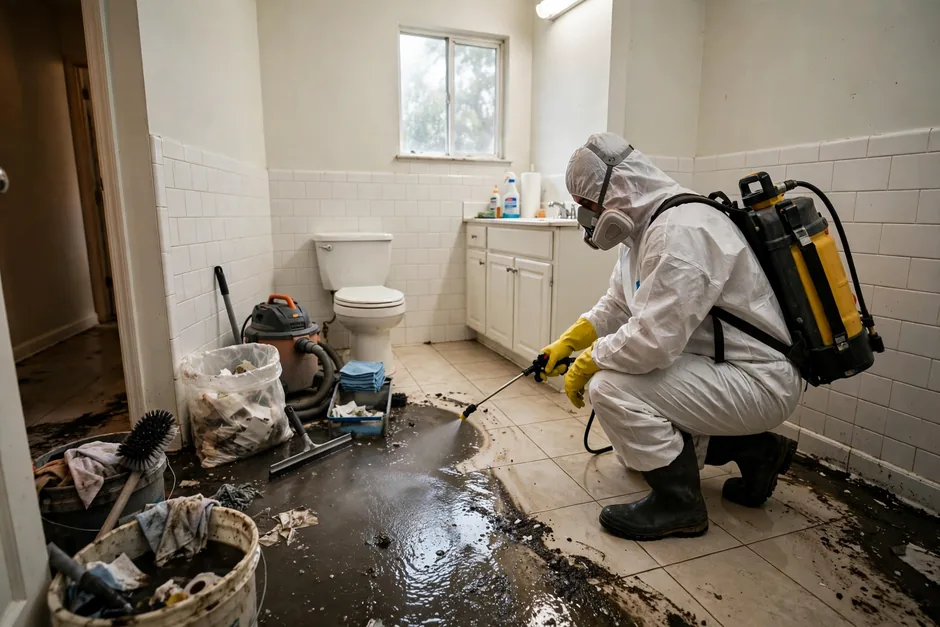
The honest answer to this question is short: sewage backup cleanup is almost never a do-it-yourself job. Sewage water is Category 3 water, heavily contaminated, and cleaning it up without the right equipment and protective gear puts your health and your home at risk. Here is why, what you can safely do yourself, and when to call a professional.
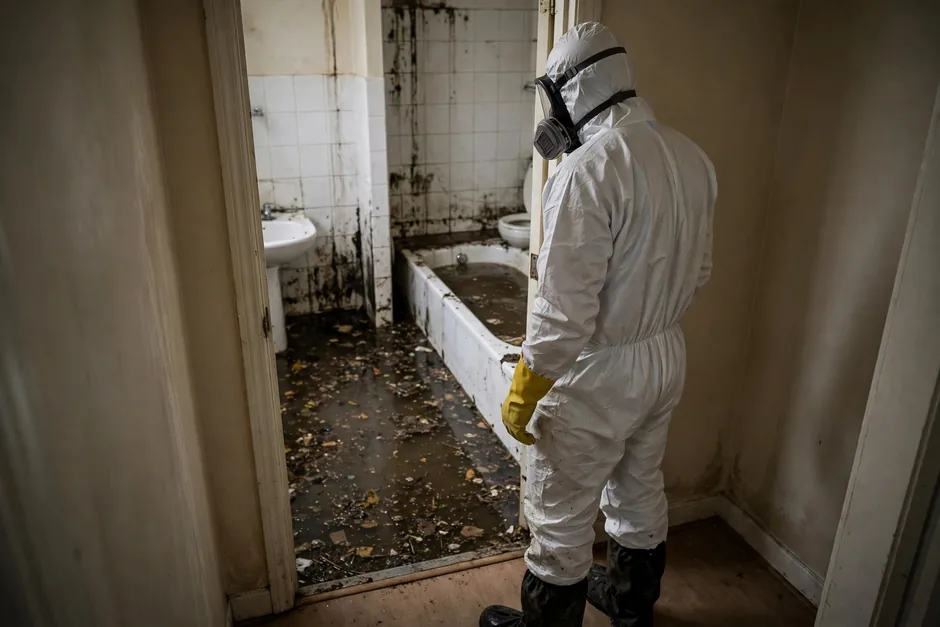
The honest answer to this question is short: sewage backup cleanup is almost never a do-it-yourself job. Sewage water is Category 3 water, heavily contaminated, and cleaning it up without the right equipment and protective gear puts your health and your home at risk. Here is why, what you can safely do yourself, and when to call a professional.
Sewage water is Category 3, and that decides everything
Water damage is sorted into three categories. Category 1 is clean water from a supply line. Category 2 is gray water from a washing machine or dishwasher. Category 3 is black water: sewage, floodwater from outside, and any water carrying human waste. Sewage backup is Category 3 by definition, and Category 3 water is treated as heavily contaminated from the moment it appears.
That classification is not a matter of opinion. It decides what protective gear is needed, what materials can be cleaned, and what must be removed and disposed of. A mop and a bottle of household cleaner do not change the category of the water.
Why DIY cleanup is not equivalent to professional cleanup
Professional sewage cleanup is not a stronger version of mopping. It is a different process: protective equipment, containment of the affected area, extraction of the contaminated water, removal and disposal of contaminated porous material, cleaning and sanitizing of the surfaces that remain, and drying with monitoring. A homeowner with a bucket and gloves cannot replicate containment, disposal, or verification, and the attempt itself spreads contamination through the house on shoes, hands, and cleaning tools.
There is no small-sewage-backup exception that makes DIY equivalent. Even a small backup has soaked into the floor, the baseboards, and the wall cavity, and those are the places a household clean cannot reach. Our sewage backup cleanup in Houston crews treat every backup as a contamination job, whatever its size.
What you can safely do yourself
There are three things a homeowner can safely do, and they are all about stopping the problem getting worse. First, stay out of the affected area and keep children and pets away. Second, stop using water in the house: do not flush toilets, run taps, or run the washing machine or dishwasher, because every use adds to the backup. Third, call for help, and photograph the damage from outside the affected area for your records.
Do not try to plunge the drain, do not bail the water by hand, and do not move contaminated items through clean rooms. If the backup is in a bathroom or kitchen, close the door and wait for the crew. If you live in Gulfton, where many homes are apartments and shared plumbing is common, tell your property manager or landlord as well, because the cause may be in a shared line.
Who fixes the sewer line
Sewer-line repair is plumbing, not restoration. A plumber finds and repairs the failed line, the collapsed pipe, or the blockage that caused the backup. Restoration deals with the contamination the backup left behind: extraction, removal, sanitizing, and drying. Both jobs need to happen, and the plumbing repair has to come first, or the backup will happen again as soon as the water is used.
Do not let anyone start rebuilding a bathroom or kitchen before the line is repaired and the area is dried. Rebuilding over a contaminated, wet subfloor hides the problem for a few weeks and then brings it back worse.
What professional cleanup involves
A professional crew will contain the area, extract the contaminated water, and remove porous material that cannot be sanitized: carpet and pad, saturated drywall, and insulation that took up sewage. Hard surfaces are cleaned and sanitized, and the structure is dried with air movers and dehumidifiers while moisture meters track the readings. The crew will also advise on what personal items can be cleaned and what should be disposed of.
Documentation matters here as much as anywhere. Photograph the backup before anything is moved, keep receipts for anything you dispose of, and keep the crew's written scope. Our water damage restoration in Houston team puts the scope in writing before work starts, so you know what is being removed, what is being cleaned, and what is being dried.
After the cleanup: what to check
Once the area is dry, check for a returning smell, for baseboards pulling away from the wall, and for staining that reappears on a freshly cleaned surface. Any of those means moisture or contamination is still present. Do not paint over a stain on a wall that had sewage contact. The stain will come back, and the paint hides the evidence.
If mold appears after a sewage backup, the Texas rules apply. In Texas, mold remediation of 25 contiguous square feet or more requires a TDLR-licensed remediator, and the company that assesses the mold cannot remediate the same job. IICRC S500/S520 are industry standards, not law. Mold assessment is a separate licensed activity from remediation.
Frequently Asked Questions
Is sewage backup cleanup a DIY job?
Almost never. Sewage water is Category 3 heavily contaminated water, and professional cleanup involves protective gear, containment, disposal of contaminated material, sanitizing, and drying with monitoring. A household clean cannot replicate that, and attempting it spreads contamination through the house.
What should I do first after a sewage backup?
Stay out of the affected area, keep children and pets away, and stop using water in the house: no flushing, no taps, no washing machine or dishwasher. Photograph the damage from outside the area, then call a professional and, if you rent, your property manager.
Is sewage backup dangerous?
Yes. Sewage water is Category 3 water and is heavily contaminated. Avoid contact with bare skin, do not wade through it, and do not try to clean it up without protective equipment and proper disposal.
Who fixes the sewer line after a backup?
A plumber repairs the sewer line. Restoration deals with the contamination the backup left behind. The plumbing repair has to come first, or the backup will repeat as soon as water is used again.
Can carpet be saved after a sewage backup?
Carpet and pad that have taken up sewage are usually removed and disposed of, because porous material cannot be reliably sanitized. Hard surfaces can be cleaned and sanitized. A professional crew will advise on each item rather than guessing.
Sewage backup in your Houston home
Stay out of the affected area, stop using water, and call Restoration Enterprise at (346) 980-0009. We contain the contamination, remove what cannot be saved, and dry the structure properly.
Sources
Sources for the rules and figures cited in this guide.
- ANSI/IICRC S500 — Standard for Professional Water Damage Restoration — the industry standard for professional water damage restoration.
- IICRC — Standards — the IICRC standards library, including S500 and S520.